Key Safety Topics
Autistic children and adults can face unique safety challenges at home, school, and in the community. This page outlines key safety topics, along with a resource guide. A complete listing of resources is available in our Resource Library.
Autism Elopement
Elopement occurs when a child or dependent with diagnosed or suspected autism leaves or moves beyond an area where they are expected to remain, without the knowledge or authorization of the person responsible for their safety. This includes unnoticed departures and bolting away during active supervision. Nearly half of autistic children are prone to elopement, and currently an average of eight to ten individuals die each month in the U.S. following elopement, most often from drowning in nearby water. Download our SafeSteps for Autism guide for comprehensive tips and tools.
You can also read our 2025 Review of Autism-Related Elopement Fatalities in the U.S. here.
Water Safety
Children with autism are highly attracted to water, which can provide quiet comfort (regulation) but also sensory appeal (stimulation). NASC's longitudinal surveillance data on autism-related elopement fatalities, spanning 1974 to the present, show that approximately 82% of deaths are due to drowning. Early water safety education and adaptive swim instruction are essential. Download our SafeSwim for Autism guide for tips on where to find swimming lessons, and more.
Early-Age Suicidality
Research shows that suicidal thoughts and behaviors can occur in autistic children as young as eight years old (Schindel et al., 2024). Early signs of thoughts of wanting to “disappear,” can come through in statements like, “I want to go away forever.” Early recognition through screening, open communication, mental health check-ins, and professional support are critical and may have benefits that extend into, and throughout, adulthood.
The Suicide & Crisis Lifeline (U.S.) is available 24/7 -- call or text 988.

In addition to these safety topics, there are other critical issues that can occur across a lifespan. For a full listing of resources covering all safety topics, visit our Resource Library.
Online Safety
Autistic individuals may face unique online risks, such as misinterpreting language, missing cues, or misjudging intent. This can lead to oversharing, unsafe relationships or interactions, cyberbullying, or exposure to harmful content. Download our SafeClicks for Autism guide for ways to help them navigate online spaces safely.
Bullying
Bullying is repeated behavior that harms, hurts, or humiliates and often involves a power imbalance. It affects many autistic students, with 63% reporting exclusion, teasing, or physical harm from peers (Lipkin et. al, 2012). These experiences can cause anxiety, depression, and lasting emotional distress, making bullying prevention a crucial part of autism safety. Download our Autism & Bullying Prevention guide for information, tips, and strategies.
Restraint/Seclusion
Physical restraint and seclusion pose serious risks for autistic individuals, causing trauma, injury, and long-term harm when used for control, consequence, or convenience rather than safety. Caregivers should review school policies, set clear boundaries, monitor their child, and document or report unsafe practices. Download tips and tools via our Autism & Restraint/ Seclusion Prevention guide.
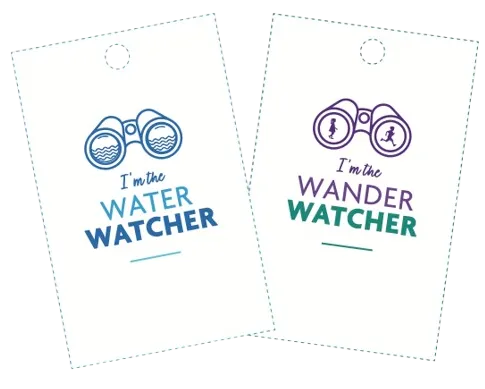
Cutouts and DIY Tools
Simple cutouts can make a big difference in promoting safety. Visit our Resource Library for these tools, social stories, safety plans, and more.
Pica
Pica is the repeated eating of non-food items, and affects about 23% of autistic children (Rubino et. al, 2025). Concerns with pica center around choking, injury, poisoning, or nutritional issues. Early recognition, environmental safeguards, and professional interventions, including safe alternatives and replacement skills, can reduce risk and improve safety. Download our Autism & Pica Prevention guide for ways to address pica.
Sibling Safety
Siblings of autistic children often face unique challenges, which can build empathy but also lead to injury, emotional stress, chronic worry, social isolation, and missed childhood experiences. Supportive and open communication, age-appropriate explanations, reassurance that they aren’t responsible for managing behaviors, and counseling can help siblings process emotions, build coping skills, and feel safe. Download tips and tools via our SafeSiblings and Autism guide.
School Safety
Students with autism can face unique safety challenges at school, making proactive planning and tailored supports essential. Planning should address not only academics, but also social, sensory, structural, and behavioral needs to prevent harm and ensure a safe, supportive learning environment. Download our SafeSchools for Autism guide for tips and information on how to ensure protection at school.
Safe Police Interactions
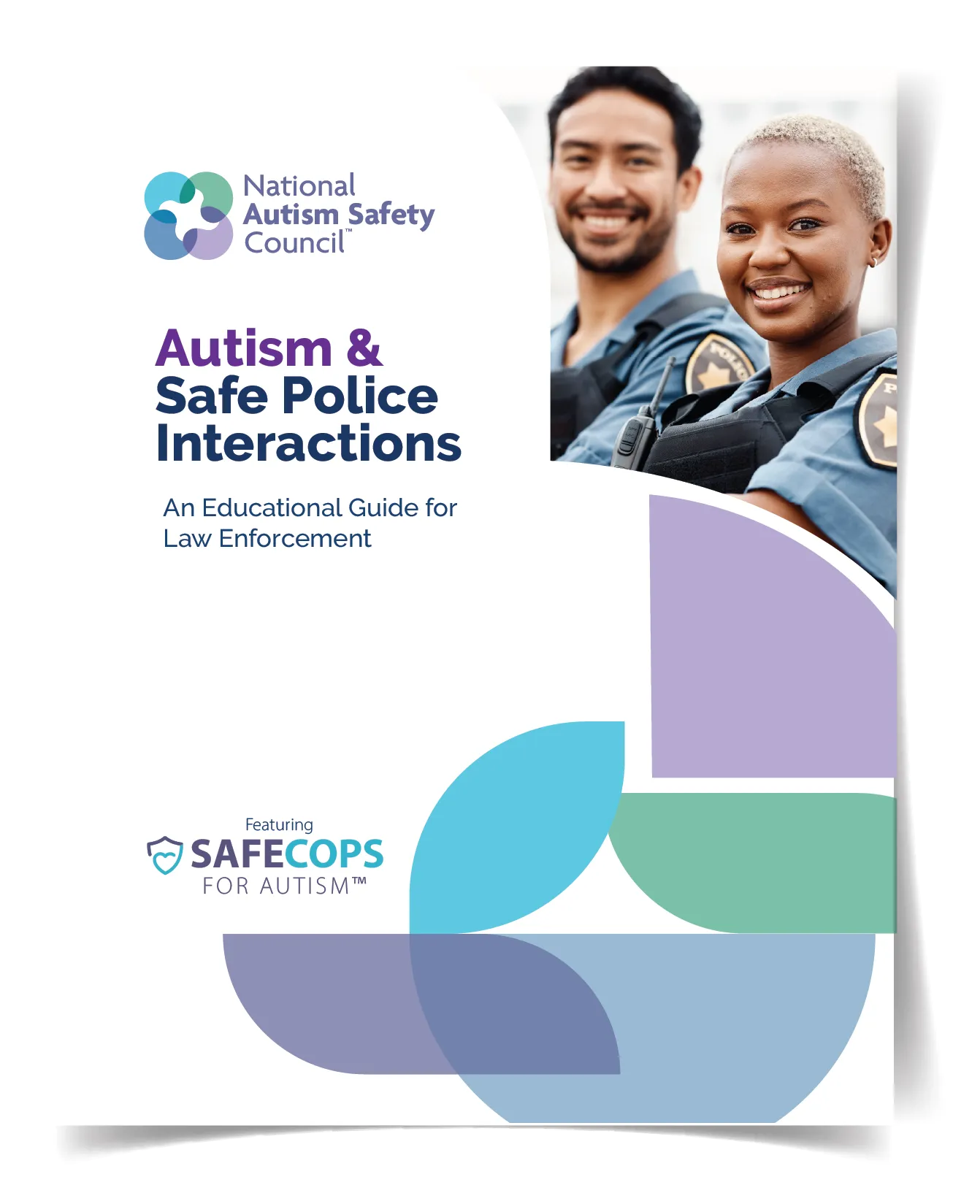
Autistic individuals may experience unique challenges during interactions with police or emergency responders due to differences in communication, sensory processing, and responses to stress. Misunderstandings, assumptions, or unexpected reactions can escalate situations, making awareness, preparation, and proactive strategies critical for ensuring safety and positive outcomes. Download and share our SafeCops for Autism guide with your local police department.